IBM ELM for DO-178C Lifecycle Management
Developing software for safety-critical aviation systems isn’t just about writing code that works — it’s about proving, with evidence, that the software is reliable, traceable, and ready for certification. In this field, compliance isn’t handled at the end — it shapes how the software is planned, developed, and verified from the start.
At the center of this approach is DO-178C, the industry standard formally known as Software Considerations in Airborne Systems and Equipment Certification. RTCA published the standard to define the objectives teams must meet and demonstrate in practice to satisfy regulators such as the Federal Aviation Administration and the European Union Aviation Safety Agency.

This article provides a broad overview of how the DO-178C software lifecycle aligns with IBM ELM’s features. Future articles in this series will examine each part of the lifecycle, including planning, development, requirements verification, software verification, configuration management, and quality assurance.
In reality, teams don’t just struggle with regulations — they struggle with coordination. With different departments using different tools, information tends to spread across systems, making compliance harder to prove and more time-intensive. A unified system simplifies collaboration. A shared foundation of information helps teams stay connected, avoid unnecessary mix-ups, and maintain confidence that the work is moving forward correctly.
Overview
Meeting DO-178C compliance isn’t just about following a list — it’s about clear processes, solid records, and full traceability. At the end of the day, it’s not enough to just claim compliance — companies actually have to demonstrate compliance through the lifecycle data they produce.
An integrated lifecycle management environment is essential for this purpose.
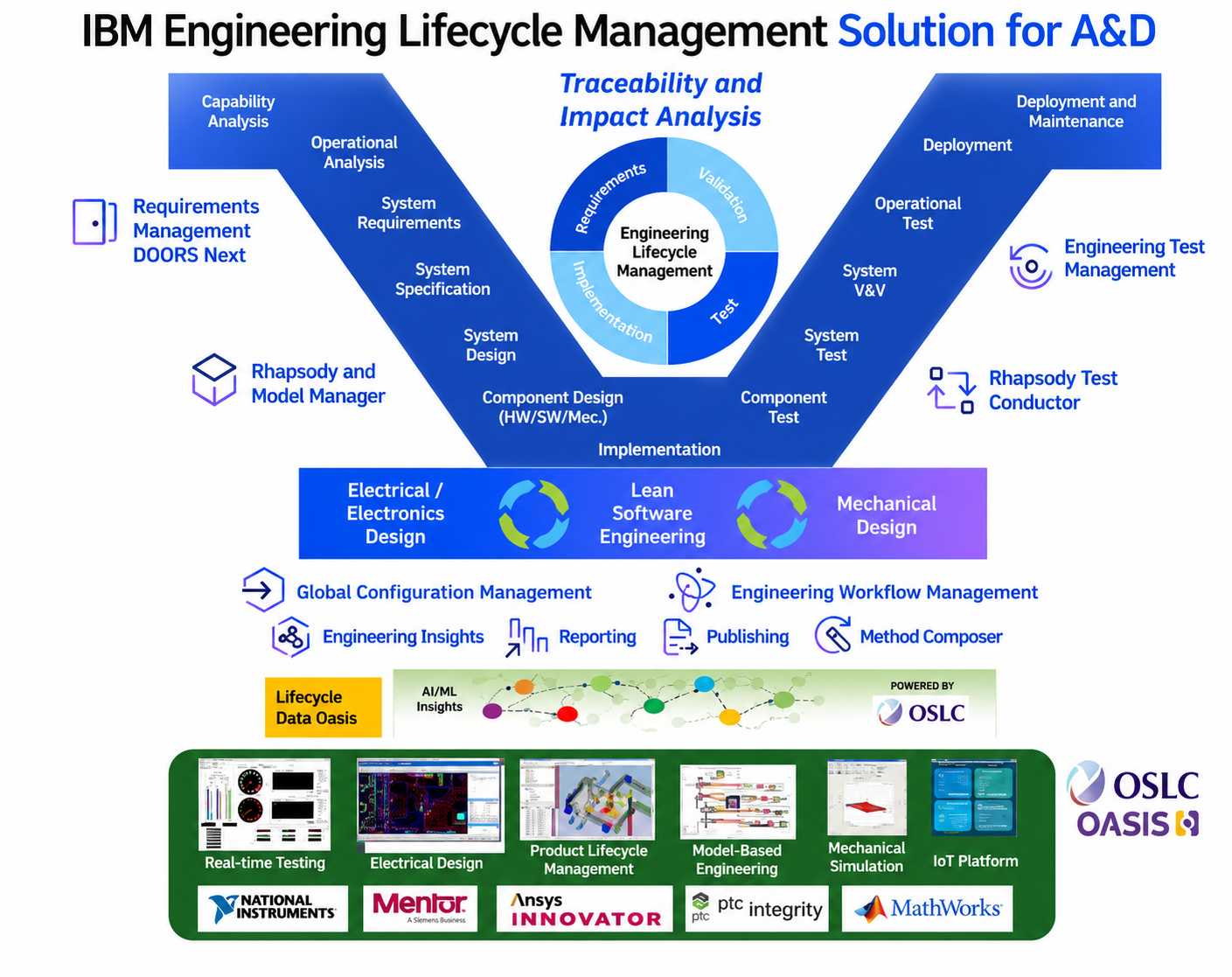
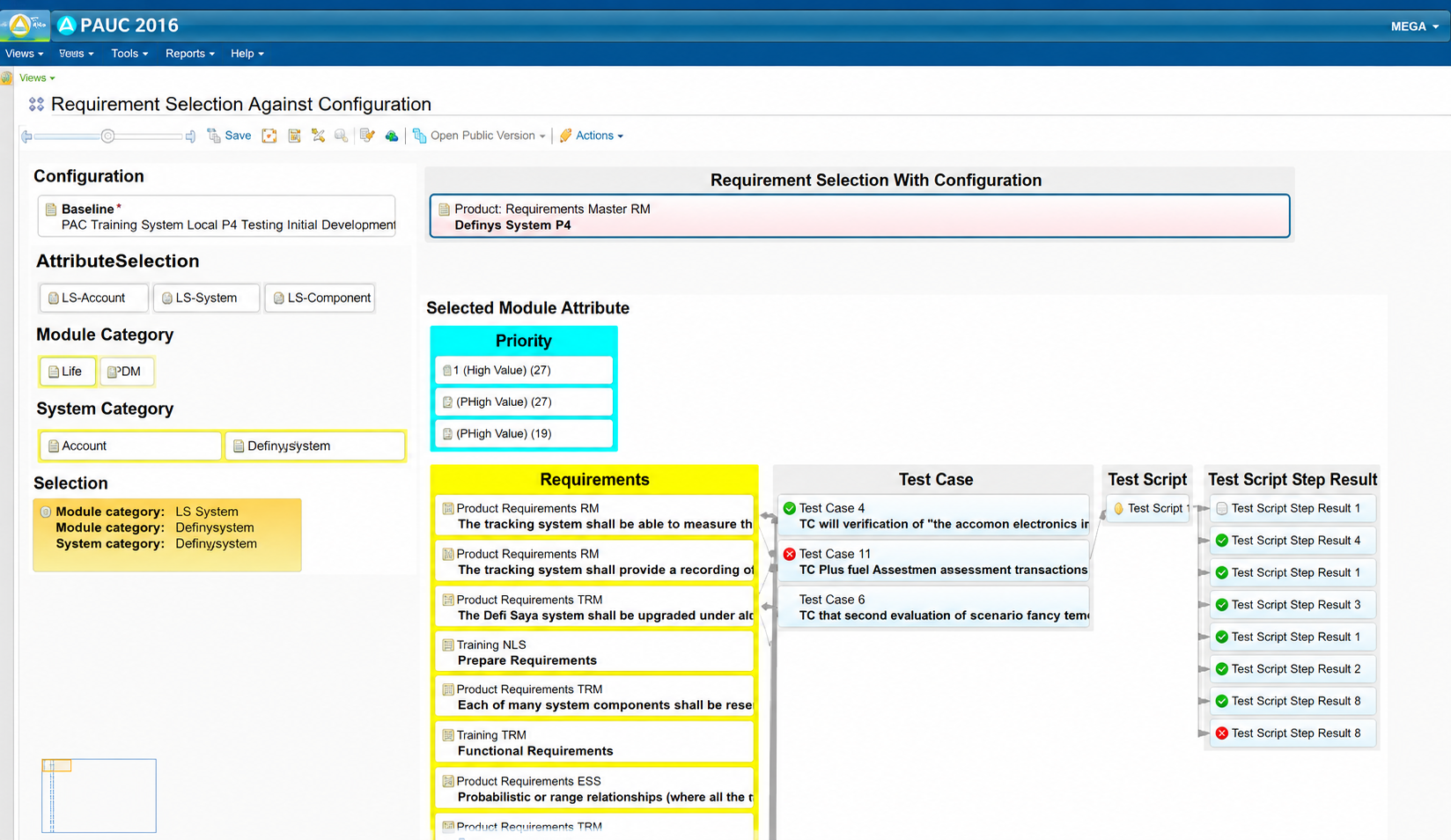
The IBM ELM suite provides teams with a single platform for managing requirements, system modeling, software development, testing, verification and tracking, configuration control, and reporting. When managed well, it becomes the tool that helps teams navigate the entire development process in line with DO-178C.
📖 Learn more about ELM on our Aerospace & Defence Solutions page
Breaking Down the DO-178C Software Lifecycle

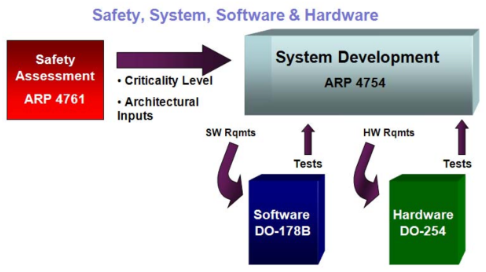
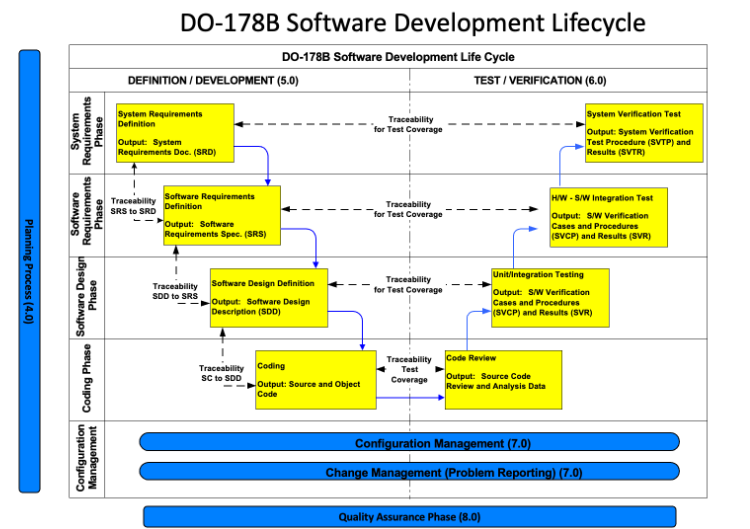
DO-178C structures the software lifecycle around several core processes: planning, software development, verification, configuration management, quality assurance, and certification liaison. Within software development, teams must manage requirements, design, and coding in a controlled and traceable way.
The standard does not force teams to use one specific development method, such as waterfall or agile. Instead, it defines the objectives that must be satisfied at each stage of the lifecycle. The required level of rigor depends on the software’s criticality, with Level A software requiring the most thorough verification and evidence.
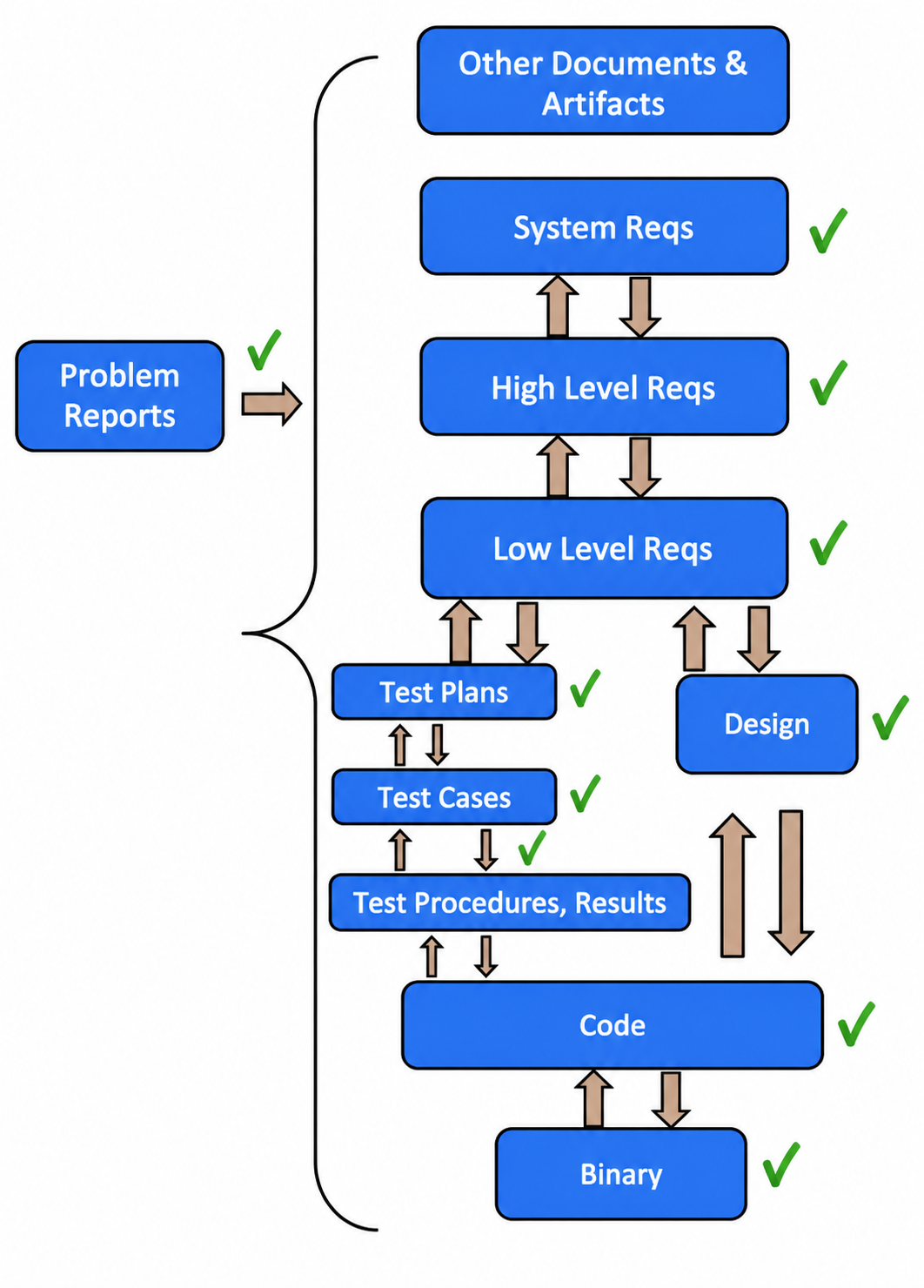
For certification, it is not enough to say that the process was followed. Applicants must be able to show clear traceability from system requirements to source code and test results, demonstrate complete verification coverage, maintain controlled configuration baselines, provide independent quality assurance oversight, and present objective evidence of compliance.
This is where many teams run into problems. When tools are manual or disconnected, certification evidence becomes harder to trust and harder to produce. Fragmented toolchains can create traceability gaps, inconsistent baselines, and undocumented changes, all of which increase certification risk. An integrated lifecycle environment such as IBM ELM helps reduce that risk by keeping requirements, development work, verification activities, baselines, and evidence connected throughout the lifecycle.

An integrated lifecycle suite addresses these challenges.
📖 Learn more about ELM on our Aerospace & Defence Solutions page
Typical Challenges in DO-178C Software Development and How IBM ELM Helps
- Requirement Drift and Misaligned Design
As software requirements evolve, design artifacts can quickly fall out of sync.
IBM ELM helps reduce this risk through linked artifacts and impact analysis, making it easier to see what a requirement change affects and where updates are needed.
- Missing or Broken Traceability
When requirements, design, code, and tests live in separate tools or are linked manually, gaps appear fast.
IBM ELM helps by maintaining connected lifecycle relationships and making missing links visible before they become audit findings.
- Code Changes Without Clear Certification Context
Many teams can show code history, but not always the full reasoning behind it.
EWM improves this by connecting work items, changes, reviews, and related engineering artifacts into a clear and reviewable audit trail.
- Manual Documentation Overhead
Certification programs depend heavily on evidence, but generating reports and traceability views manually consumes time and introduces inconsistency.
IBM ELM helps reduce that burden by making requirements reports, traceability views, design outputs, and change history easier to generate from live project data.

Best Practices for Using IBM ELM in DO-178C Development
To get the most value from IBM ELM in a DO-178C context, teams should not only deploy the tools, but also define how the lifecycle will be governed.
A few practical best practices include:
- Define development workflows in advance, including requirement refinement, review gates, and approval criteria
- Use strict versioning and baselines, especially before major milestones
- Automate traceability wherever possible instead of relying on manual linking
- Integrate modeling and design reviews early to catch issues before verification
- Require peer reviews and controlled approvals for all code changes
- Use dashboards and reporting views to monitor gaps, coverage, and change impact
These practices make compliance more manageable, but they also improve engineering quality. Teams gain better visibility, cleaner handoffs, and stronger control over the lifecycle as a whole.

Your benefits by going with IBM ELM for DO-178C and How Softacus can help
IBM ELM provides the platform, but successful DO-178C adoption depends on how that platform is configured, governed, and used in day-to-day engineering work.
Softacus helps aerospace and defence organizations turn IBM ELM into a practical environment for compliant software development. That includes support with:
- Structuring software requirements and traceability models
- Configuring workflows for reviews, approvals, and controlled changes
- Aligning design, development, and verification artifacts across the lifecycle
- Establishing baselines, roles, and governance rules that support certification readiness
- Helping teams use IBM ELM in a way that is auditable, usable, and sustainable over time
The goal is not simply to deploy tools. The goal is to create a development environment where compliance expectations are built into the workflow, rather than handled manually at the end.
If your team is working to align DO-178C software development practices with IBM ELM, Softacus can help you design a setup that supports both engineering efficiency and certification readiness.
Continue the series
Series hub — DO-178C Compliance with IBM ELM
Part 1 — Overview of Lifecycle Compliance with IBM ELM
Part 2 — Software Planning with IBM ELM
Part 3 — Software Development in IBM ELM
Part 4 — Software Verification with IBM ELM
Part 5 — Configuration Management, Quality Assurance and Reviews
Conclusion
DO-178C-compliant software development requires more than good engineering. It requires disciplined control over how requirements become design, how design becomes code, and how every step is reviewed, traced, and supported by evidence.
IBM ELM helps bring that discipline into one connected environment. By supporting requirements management, design traceability, workflow governance, source control, and artifact relationships across the lifecycle, it gives aerospace teams a stronger foundation for compliant development.
For organizations that need to reduce manual overhead, improve traceability, and prepare more confidently for certification, IBM ELM can play a central role in making DO-178C development more manageable in practice.
Sign up to our newsletter
Our Services
Our Extensions
More DO Content
Latest blog articles
Contact Us!
Softacus Services
We, in Softacus, are experts when it comes to consulting and service delivery of IBM software products and solutions in your business. We help our clients to improve visibility and transparency when licensing and managing commercial software, providing measurable value while increasing efficiency and accountability and we are providing services in different areas (see Softacus Services).
IBM ELM extensions developed by Softacus are free of charge for the customers who ordered IBM ELM licenses via Softacus or for the customers who ordered any of our services. If you are interested in any of our IBM ELM extensions, you found a bug or you have any enhancement request, please let us know at info@softacus.com.